
Duc / Duchesse de Nemours
A distinguished ducal presentation with unmistakable French grandeur.
Choose Prince, Duke or Count and receive a personalised title presentation with certificate, coat of arms and carefully prepared historical background.
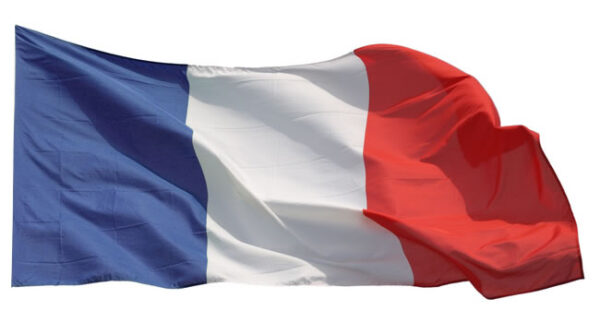
From medieval castles to the splendour of Versailles, French noble culture created a visual language of heraldry, ceremony and polished confidence. Choose the title that best suits your story.
Choose it for yourself, share it with your partner or surprise someone who already seems to have everything. Every document is prepared around the selected name.
Compare the three titles and select the one whose character best matches the recipient.
A distinguished ducal presentation with unmistakable French grandeur.
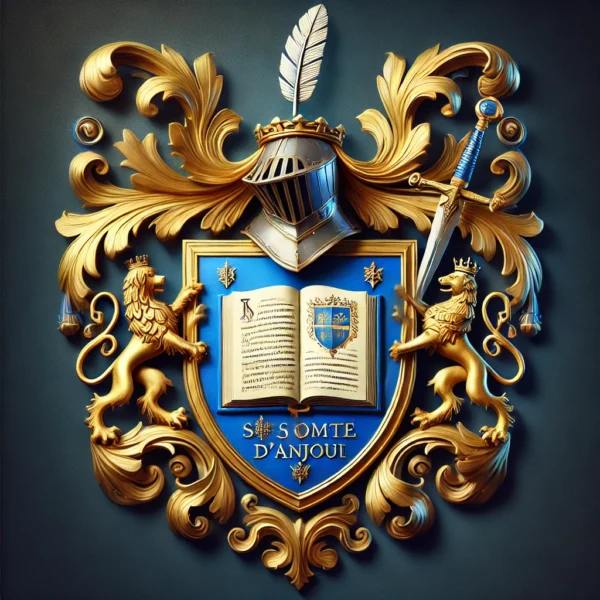
A countly title connected with one of France’s most storied regions.
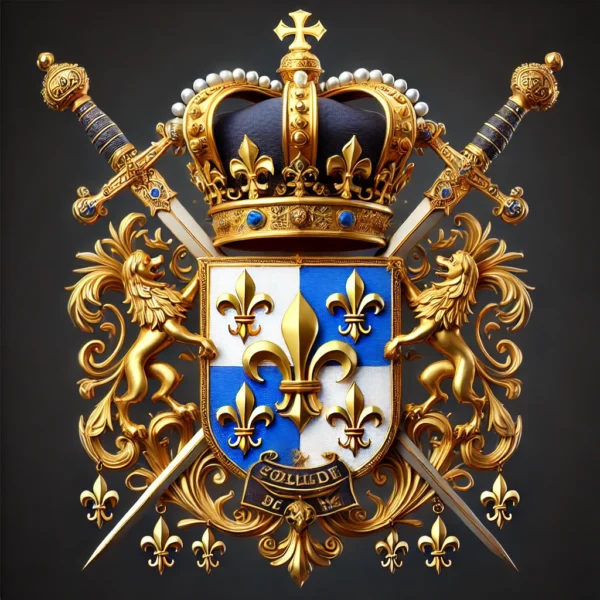
A princely choice with the atmosphere of the Bourbon court.
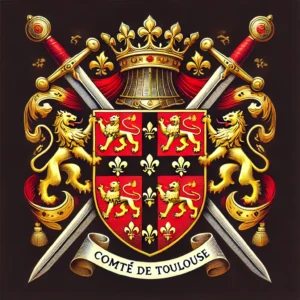
An elegant title inspired by the colour and history of southern France.
Select the title and package that suits you. Accessories such as a gold-coloured ID card and personalised gold-coloured coins can be added.
Enter the name exactly as it should appear. A partner certificate is included free of charge, and further certificates can be added for children, relatives or friends.
Your personalised certificate is available digitally as a PDF. If you prefer, choose the printed presentation and have it delivered.

French noble life changed dramatically across the centuries: fortified medieval lordships gave way to increasingly centralised royal power and the elaborate court culture of the early modern monarchy.
Great families served as military commanders, provincial governors, diplomats and patrons. At Versailles, rank could be expressed through etiquette, access and the privilege of standing in exactly the right room at exactly the right moment.
The personalised presentation brings that atmosphere together with your selected name, certificate, coat of arms and historical background.
French court style balanced formal geometry with theatrical detail: carved stone, silk, gilding, fleur-de-lis and carefully rehearsed ceremony. The design uses deep blue, rich burgundy and warm gold on ivory.
A king made of glass, fatal doorways, impossible shoes and criminal trials for animals — French history had a flair for the unexpected.
Charles VI experienced severe mental illness and at times reportedly believed he was made of glass. Accounts say he wore reinforced clothing and avoided touch for fear of shattering.
At Agincourt in 1415, heavily armoured French men-at-arms advanced through a narrow, muddy field under English arrow fire. Compression, exhaustion and the terrain helped turn confidence into catastrophe.
Late-medieval poulaines featured dramatically extended points. Their length became a target for moralists and sumptuary rules, and some examples required ties or supports to remain manageable.
Charles VIII struck his head on a low stone lintel at Amboise in 1498 while walking to watch a game. He collapsed later that day and died at only twenty-seven.
Six more stories, each stranger than the last.
Chambord’s double-helix staircase allows people on its two spirals to see one another yet rarely meet. Leonardo da Vinci’s influence is plausible, but both his authorship and the tale about avoiding mistresses remain unproven.
Medieval and early modern French courts sometimes prosecuted animals. Pigs accused of killing people could face secular trials, while church proceedings were even directed at pests such as insects.
A dispute at Saint-Sardos in 1324 escalated into war between France and England over Gascony. It did not by itself cause the Hundred Years’ War, but exposed the tensions that soon fed the wider conflict.
Early modern Europeans sometimes distrusted public bathhouses and believed water could open the body to illness. They still washed with cloths and basins, while clean linen and perfume carried increasing importance.
John II enjoyed honourable but expensive captivity in England after Poitiers. When a hostage son escaped, John returned voluntarily in 1364, citing honour, and died in London soon afterward.
French kings ceremonially touched sufferers of scrofula in the belief that consecrated monarchy could aid healing. Crowds attended these rites for centuries, although the practice had no medical efficacy.
Ten questions. No homework. Ridiculous answers are included free of charge.
The important points, clearly explained.
The package contains a personalised certificate, matching coat of arms and carefully prepared background information. A partner certificate is included.
Yes. Additional certificates can be added for children, relatives, friends or an entire group.
The digital documents are made available through your customer account. A printed presentation can be selected separately.
Available options can include printed certificates, a gold-coloured ID card and personalised gold-coloured coins with the selected name and coat of arms.
Select any image to view it at full size.

Let us prepare your personalised title presentation.
Choose your French titleShop now